Networking globally
We are shaping the international energy transition – at every level
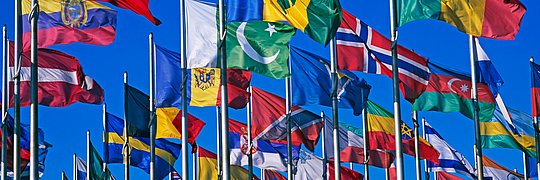
Our energy system transcends national borders. A secure supply of energy sources and raw materials, the internal European energy market, and the transfer of knowledge and technology are particularly important in international exchanges.
- How can renewable energy networks be successfully integrated in an international context?
- How are energy supply and national security linked?
- What measures can help startups and local authorities to implement these initiatives at a local level?
dena supports the German government in numerous projects both at home and abroad with a view to finding answers to these questions.
Ideas for effective integration
Electricity from renewable energy sources forms the basis of a climate-neutral energy system. International cooperation provides impetus for the further expansion of renewables and their efficient integration into the relevant infrastructure. Where electrification is technically impossible or not economically viable, green hydrogen and its derivatives may offer a solution.
The transition to renewable energy not only strengthens climate protection, but also makes a decisive contribution to the security of raw materials and energy supplies in Germany and Europe.
European cooperation
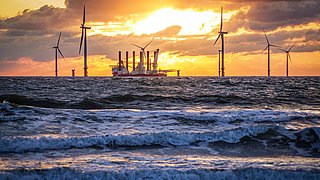
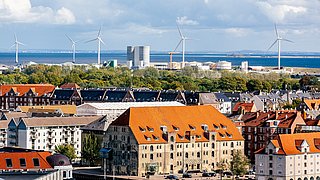
Germany benefits greatly from the internal European energy market and the European Union’s common climate and energy policy. This is what makes dialogue and coordination with EU Member States, the EU institutions and other European countries so important. For example, dena supported the German government in the design, planning and implementation of the 2026 North Sea Summit, at which neighbouring countries advocated for the increased use of offshore wind energy.
Securing raw materials
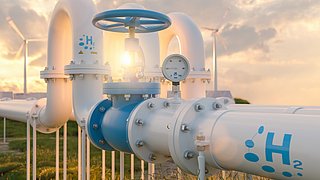
Like many other countries, Germany is reliant on imports of fossil fuels such as oil and natural gas. This dependence on imports has proved to be a risk in terms of both security and costs. Even a climate-neutral energy system based on renewable energies requires imports. Critical raw materials such as aluminium, lithium, rare earths and green hydrogen come from other countries. Diversification along the value chains reduces dependence on individual countries and increases security of supply and price stability. Strategic partnerships with countries both within and outside Europe play an important role. They strengthen Germany’s energy and resource resilience and, consequently, the competitiveness of German companies. Establishing and expanding a circular economy is a key solution in this regard. This is because many important raw materials can be recovered through recycling.
On-site capacity building
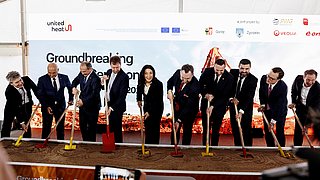
Reliable international partnerships are built on mutual trust, direct dialogue and practical on-site cooperation. Whether at events such as the international SET Tech Festival, which brings together international startups, at international cybersecurity exercises, or when advising local authorities in China – ‘learning from one another’ in a spirit of mutual respect always plays a particularly important role.


Climate-friendly construction and renovation in the local area
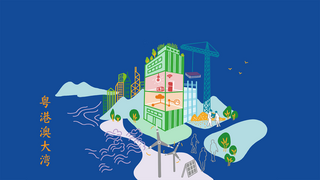
A large proportion of global CO₂ emissions comes from the buildings sector. On the path to climate neutrality, buildings must therefore be constructed to be as climate-friendly as possible, or existing buildings must undergo energy-efficiency refurbishment. dena contributes its extensive expertise in sustainable construction and energy-efficient refurbishment to numerous international projects and promotes capacity building on the ground.
The involvement of local authorities and local stakeholders is a key factor in the success of the energy transition worldwide. Taking into account the specific local requirements and needs, regional stakeholders, local authorities and private investors are being involved in order to introduce climate-neutral building standards when implementing specific construction projects.
International cooperation and innovation
Startups around the world are developing innovative solutions and driving this transformation forward. For innovations to gain a foothold, appropriate regulatory and economic conditions, a supportive ecosystem and long-term prospects are required. We therefore support our partner countries in developing a startup ecosystem and assist international startups through consultation, mentoring and networking. Cybersecurity is a key issue in international cooperation on a sustainable energy system.

Cyber security
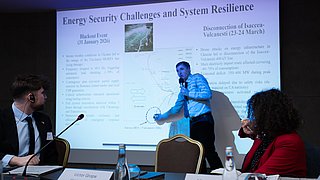
In addition to physical attacks, cyberattacks on critical energy infrastructure in Germany and around the world are on the rise. They have become a threat to a secure and reliable energy supply. Joint exercises serve to strengthen the skills of national and international cybersecurity experts.